
Rajalakshmi Engineering College
Department of Computer Science and Engineering
Presents
IFIP AICT- International Conference on Computing for Sustainable Development 2026
ICCSD 2026
First edition
[Scopus Indexed Publication]
Special focus
Intelligent Knowledge Systems & Artificial Intelligence
July 1–3, 2026 Postponed – New Dates Will Be Announced Soon
Approved Event No.: 05144
Don't Miss Out!
Submit Your Paper Now
Rajalakshmi Engineering College,
India
Rajalakshmi Engineering College
Rajalakshmi Engineering College, an autonomous institution affiliated with Anna University, was established in 1997 under the Rajalakshmi Educational Trust. Over the past three decades, the college has grown into a leading institution offering 19 undergraduate and 9 postgraduate programs, including MBA, with an annual intake of about 4000 students, all approved by All India Council for Technical Education. All departments are recognized as research centers of Anna University offering Ph.D. and M.S. By Research programs. The institution is accredited with 'A++' grade by National Assessment and Accreditation Council, several UG programs are accredited by National Board of Accreditation, and it holds UGC 12b status with permanent affiliation for multiple programs from Anna University. The college is also recognized as a Scientific and Industrial Research Organization SIRO by the Department of Scientific and Industrial Research for its strong research and development activities.
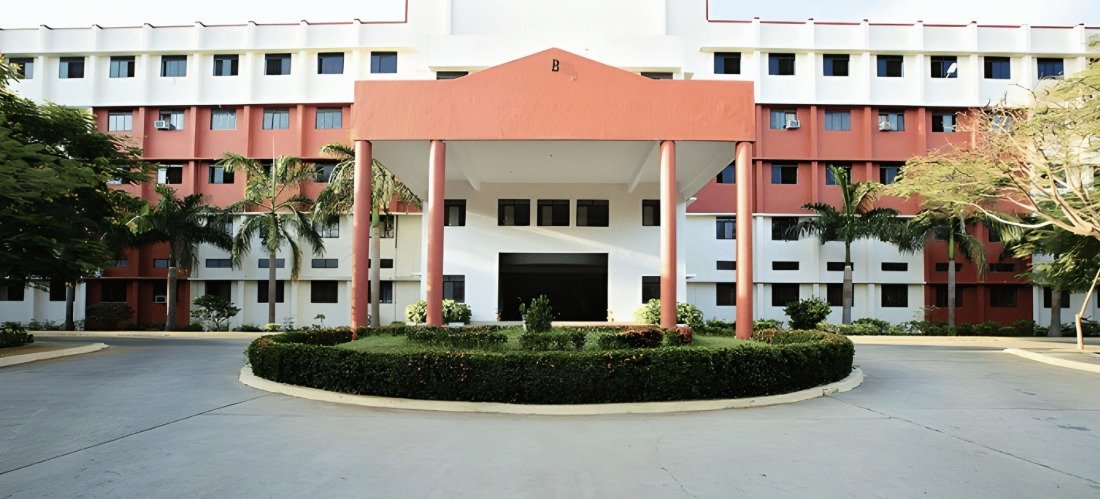
Computer Science and Engineering
Established in 1997, the Department of Computer Science and Engineering at Rajalakshmi Engineering College has consistently progressed in teaching and research activities. The undergraduate intake has increased from 60 students to 850, reflecting the department's steady growth. The M.E. - Computer Science and Engineering postgraduate program was introduced in 2004-05, and in 2006 the department was recognized by Anna University as a Collaborative Research Centre to offer M.S. By Research and Ph.D. programs. The department maintains strong industry interaction, particularly with the Computer Society of India, and has collaborations and MoUs with leading companies such as IBM, Infosys, Tata Consultancy Services, Zoho, Virtusa, Oracle, Wipro, VMware, UiPath, Dell, Cognizant, Amazon Web Services, and UST for training, faculty development, and research initiatives. The department's students have won the Smart India Hackathon three times, received CII Connect Awards from the Honorable Chief Minister of Tamil Nadu, and have earned recognition through various hackathons and competitions. Graduates are placed in leading companies such as TCS, Infosys, Zoho, and IBM, while many others have successfully pursued entrepreneurship.
Intelligent Knowledge Systems & Artificial Intelligence
The First International Conference on Computing for Sustainable Development (ICCSD), organized under the International Federation for Information Processing - IFIP Advances in Information and Communication Technology (IFIP-AICT) series, serves as a premier global research forum dedicated to advancing the foundations, technologies, and real-world applications of Intelligent Knowledge Systems and Artificial Intelligence. The conference aims to bridge cutting-edge theoretical AI research with secure, scalable, and industry-ready solutions addressing critical technological and societal challenges. Aligned with the vision of IFIP Technical Committee 12, ICCSD 2026 promotes the development of knowledge-centric, ethical, and trustworthy AI systems that contribute to the United Nations Sustainable Development Goals (SDGs 3, 4, 9, 11, 13, and 16). The conference will bring together leading researchers, industry experts, policymakers, and innovators worldwide to explore how intelligent knowledge ecosystems can drive sustainable transformation across sectors. Through peer-reviewed technical sessions, keynote talks, industry showcases, and international collaborations, ICCSD 2026 aims to serve as a distinguished global platform for responsible, secure, and sustainable AI innovation. Proceedings of the conference will be published in springer series.
Topic of Interest
- Artificial Intelligence & Machine Learning, Deep Learning & Reinforcement Learning
- Computer Vision, NLP & Speech Technologies
- Cybersecurity, Blockchain & Trustworthy Systems
- Cloud & High-Performance Computing Systems
- Quantum Computing & Emerging Paradigms
- Intelligent Infrastructure, Robotics, Healthcare & Sustainable Systems

IFIP TC12 - Artificial IntelligenceIFIP - Leading Professional & Socially Responsible ICT Worldwide (https://www.youtube.com/watch?v=w_ORl9mLH0U)Artificial Intelligence (AI) is a long-established and continually evolving domain within computing, addressing a wide spectrum of areas such as intelligent robotics, planning and scheduling, model-based reasoning, fault diagnosis, natural language processing, machine translation, knowledge representation and reasoning, intelligent agents, machine learning, neural networks, genetic algorithms, and knowledge management. Within the framework of International Federation for Information Processing, Technical Committee 12 (TC12) focuses specifically on Artificial Intelligence. Established in 1989, TC12 brings together experts nominated by member societies from across the world, along with representatives from leading professional bodies such as Association for Computing Machinery and Institute of Electrical and Electronics Engineers. The committee operates through several specialized working groups that address major research themes and emerging challenges in AI. TC12 actively contributes to the advancement of AI by organizing and supporting international conferences, workshops, and collaborative initiatives. It also plays a significant role in the IFIP World Computer Congress, one of IFIP's flagship events, fostering global exchange of knowledge and innovation. ICCSD 2026 is honored to be associated with IFIP TC12 and expresses its sincere respect to the Chair of TC12, Eunika Mercier-Laurent.
1. Artificial Intelligence & Machine Learning, Deep Learning & Reinforcement Learning
- Continual & Lifelong Learning
- Transfer Learning & Domain Adaptation
- Graph Neural Networks (GNNs)
- Probabilistic & Bayesian Methods
- Transformer Architectures
- Diffusion Models
- Multi-Agent Reinforcement Learning (MARL)
- Deep RL for Robotics
- Reinforcement Learning with Human Feedback (RLHF)
- Self-Supervised & Contrastive Learning
- Interpretable Models & Explainability
- AI Fairness & Bias Mitigation
- Large Language Models (LLMs)
- Multimodal Foundation Models
- Edge AI in Healthcare, Agriculture & Smart Cities

2. Computer Vision, NLP & Speech Technologies
- Multimodal Learning
- Vision-Language Models
- Document Understanding & Intelligent Processing
- Speech Recognition & Synthesis
- 3D Vision & Scene Reconstruction
- Video Understanding & Action Recognition
- Medical Image Analysis & Diagnostics
- Vision Transformers (ViTs) & Hybrid Architectures
- Low-resource & Multilingual NLP
- Text Summarization & Question Answering
- Conversational AI & Dialogue Systems
- Sentiment Analysis & Opinion Mining
- Emotion Recognition from Speech
- Speech Translation & Cross-lingual Systems
- Voice Assistants & Conversational Interfaces

3. Cybersecurity, Blockchain & Trustworthy Systems
- Advanced Threat Modeling Frameworks (STRIDE, DREAD, ATT&CK)
- Identity & Access Management (IAM) in Zero-Trust
- Zero-Trust for Cloud & Hybrid Environments
- Insider Threat Detection & Behavioral Analytics
- IoT Device Authentication & Secure Boot
- Lightweight Cryptography for IoT
- Intrusion Detection Systems (IDS) for IoT Networks
- Blockchain-enabled IoT Security
- Consensus Mechanisms (PoW, PoS, PBFT, DAG)
- Smart Contract Design & Formal Verification
- Decentralized Finance (DeFi) Protocols
- Blockchain Interoperability & Cross-chain Communication
- NFT Systems & Digital Asset Security
- Cloud Security Architecture & DevSecOps
- Cyber Forensics & Incident Response

4. Cloud & High-Performance Computing Systems
- Serverless Computing & Function-as-a-Service (FaaS)
- Multi-cloud & Hybrid Cloud Architectures
- Container Orchestration (Kubernetes, Docker Swarm)
- Cloud Security & Compliance Frameworks
- Cloud Reliability Engineering & SRE Practices
- Green Cloud Computing & Energy-efficient Data Centers
- GPU/TPU Accelerated Computing
- Exascale Computing & Performance Optimization
- HPC for AI/ML Workloads
- Parallel Programming Models (MPI, OpenMP, CUDA)
- Scientific Computing & Simulation Systems
- Energy-efficient HPC Architectures
- HPC Scheduling & Resource Management
- Stream Processing Systems (Kafka, Flink)
- Scalability & Load Balancing Techniques

5. Quantum Computing & Emerging Paradigms
- Quantum Algorithms (Shor's, Grover's)
- Quantum Machine Learning
- Quantum Cryptography & Security
- Hybrid Classical-Quantum Computing
- Quantum Simulation for Materials & Chemistry
- Quantum Cloud Platforms (IBM Q, Azure Quantum)
- Quantum Optimization for Complex Systems
- Quantum Error Correction & Fault-tolerant Architectures
- Quantum Networking & Communication Systems
- Quantum Software Development Frameworks (Qiskit, Cirq)
- Quantum Hardware Advances (Superconducting Qubits, Ion Traps)
- Quantum AI for Healthcare & Finance
- Quantum-inspired Algorithms for Classical Systems
- Post-Quantum Cryptography & Standards
- Quantum Education & Workforce Development

6. Intelligent Infrastructure, Robotics, Healthcare & Sustainable Systems
- Smart Cities & Intelligent Infrastructure
- Autonomous Systems & Connected Vehicles (CAV)
- Smart Grid & Energy Systems
- Healthcare IoT & Remote Monitoring
- Digital Twin-based Smart Systems
- Human-Robot Interaction (HRI)
- Swarm Robotics & Collective Intelligence
- Autonomous Navigation & SLAM
- Reinforcement Learning for Robotics
- Drone Technologies & UAV Systems
- Intelligent Transportation Systems (ITS)
- EV Ecosystems & Smart Charging Networks
- Clinical Decision Support Systems (CDSS)
- Medical Imaging & Radiomics
- Precision Agriculture & Smart Farming
- Climate Modeling & Environmental Monitoring
- Sustainable Supply Chain Systems
- Carbon Footprint Analysis & Net-Zero AI
Patrons
 Thangam Meghanathan.png)
Dr. Mrs. Thangam Meghanathan
Chairperson Rajalakshmi Engineering College Tamilnadu ,India
Mr. Abhay Meghanathan
Vice Chairman Rajalakshmi Engineering College Tamilnadu ,India
Mrs. Tejasree Meghanathan
Director Rajalakshmi Engineering College Tamilnadu ,IndiaCo-Patrons
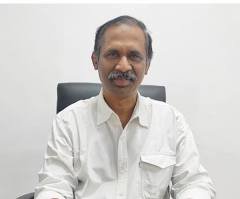
Dr. S. N. Murugesan
Principal Rajalakshmi Engineering College Tamilnadu , India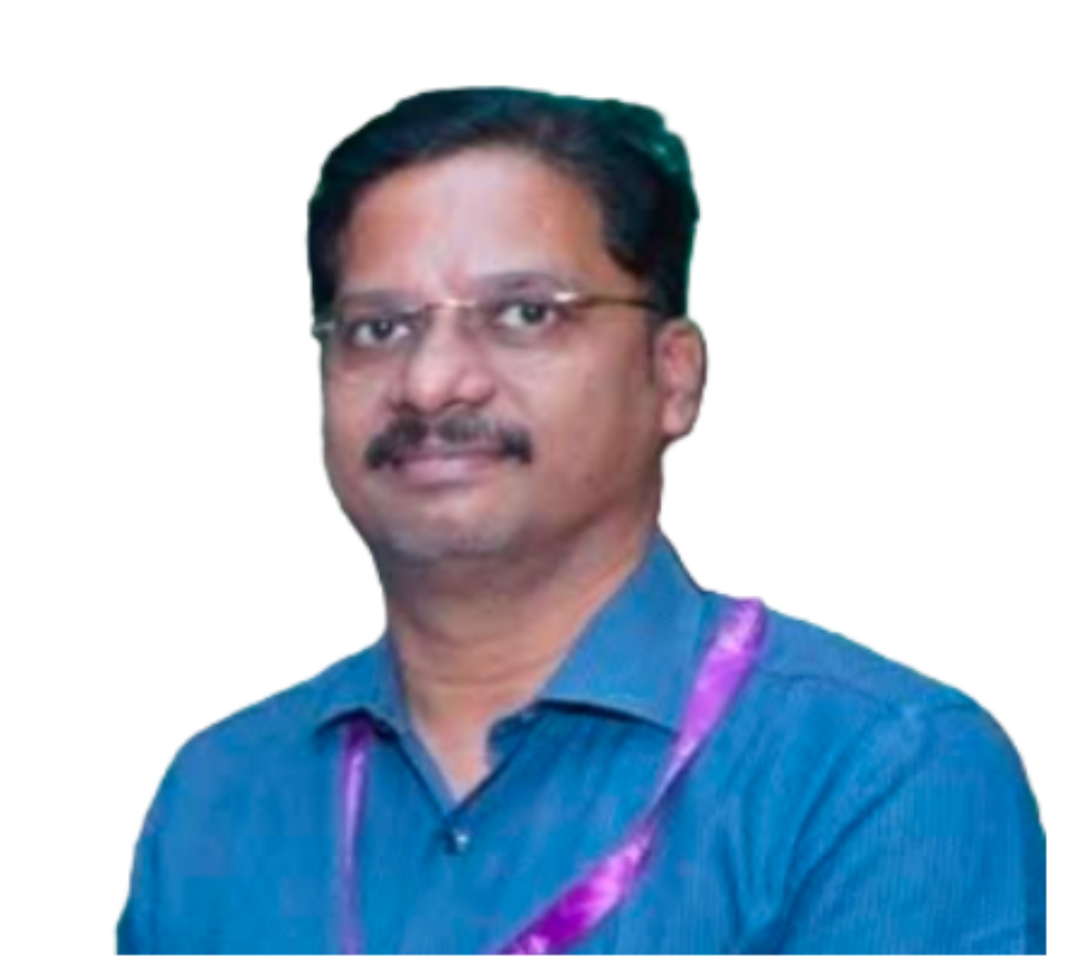
Dr. S. P. Srinivasan
Vice Principal Rajalakshmi Engineering College Tamilnadu , India
Dr. K. Malathy
Dean Academics Rajalakshmi Engineering College Tamilnadu , India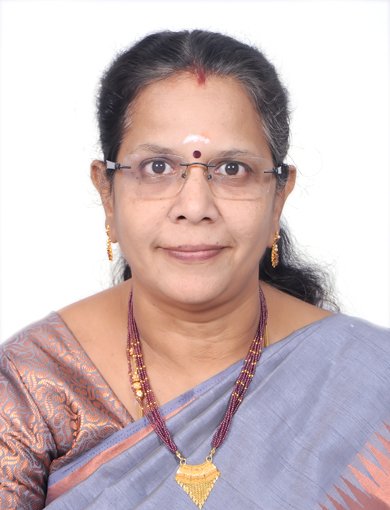
Dr. M. G. Uma Maheshwari
Dean Academics Research Rajalakshmi Engineering College Tamilnadu , IndiaConference Chair

Prof. Eunika Mercier-Laurent
Professor and Chair IFIP TC12(AI) University of Reims Champagne-Ardenne, France
Dr. E. M. Malathy
Professor & Head Rajalakshmi Engineering College Tamilnadu ,IndiaAdvisory Committee
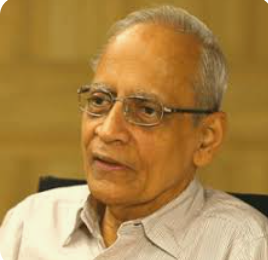
Dr. C. R. Muthukrishnan
Advisor Rajalakshmi Engineering College Tamilnadu ,India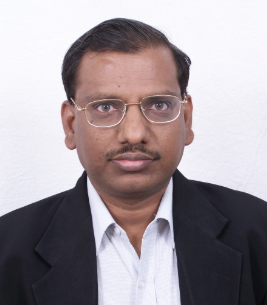
Dr. C. Chandra Sekhar
Professor, IIT Madras Tamilnadu ,India
Dr. Kannan Arputharaj
Professor, CEG Anna University Tamilnadu ,India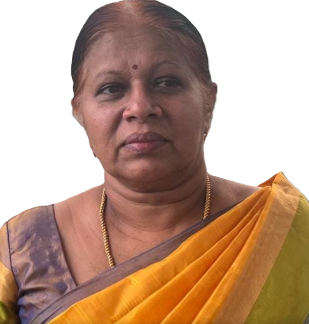
Dr. S. Radha
Principal, SSN College of Engineering Tamilnadu ,IndiaOrganizing Committee

Dr. M. Ayyadurai
Associate Professor, Rajalakshmi Engineering College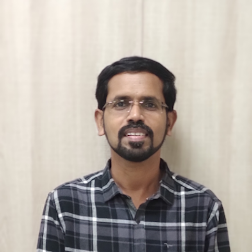
Mr. B. Bhuvaneshwaran
Assistant Professor, Rajalakshmi Engineering College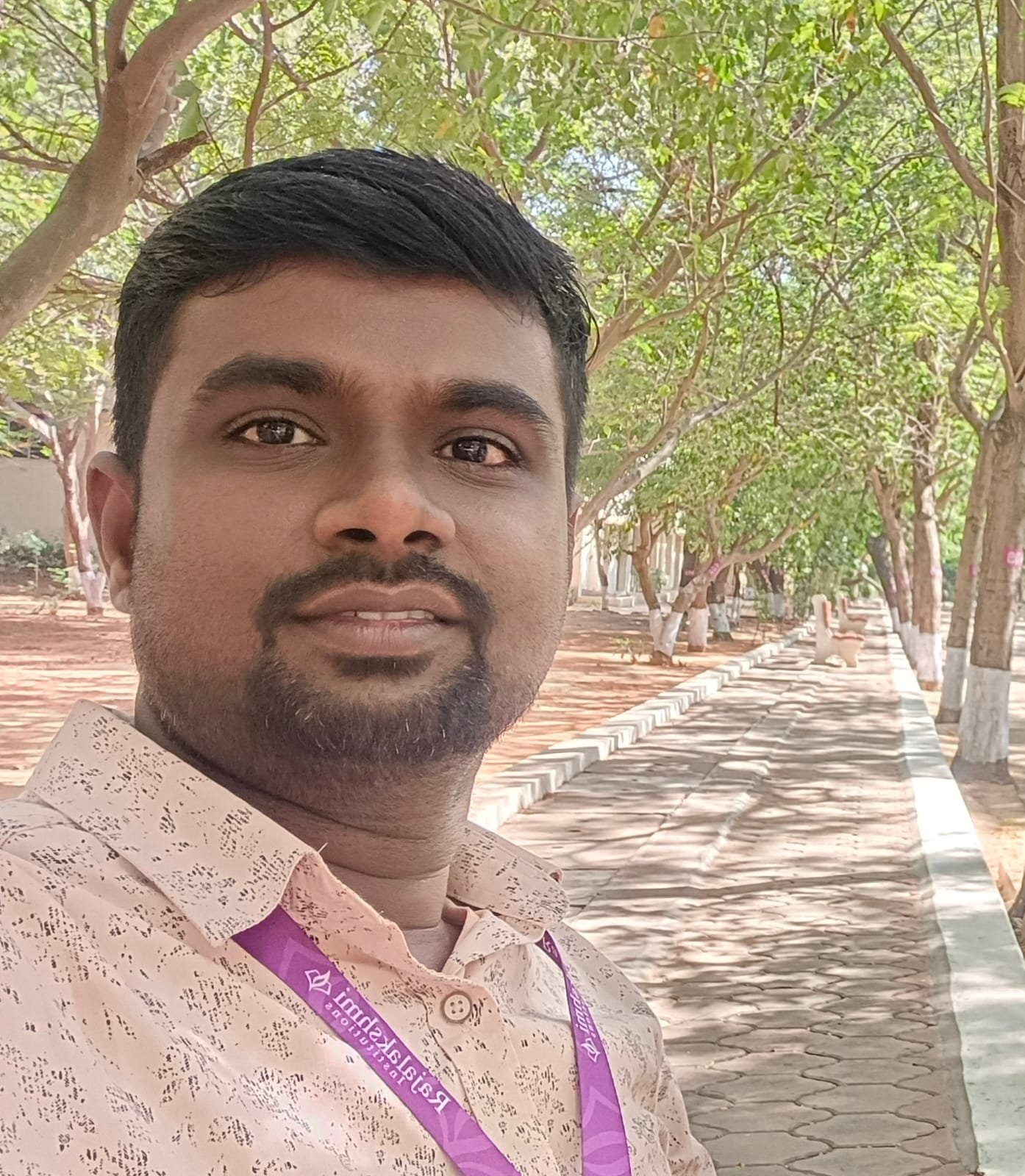
Dr. V. Karthick
Associate Professor, Rajalakshmi Engineering College
Ms. M. Anitha
Assistant Professor, Rajalakshmi Engineering CollegeProgram Committee

Dr. Bozenna Pasik-Duncan
Professor, University of Kansas, Lawrence
Dr. Nakul Gopalan
Assistant Professor, Arizona State University, Arizona
Dr. Raja Kumar Murugesan
Associate Professor, Taylor’s University, Malaysia
Dr. Rajkumar Buyya
Professor, Uni of Melbourne
Dr. Nallappan Gunasekaran
Associate professor, Eastern Michigan Joint College of Engineering, Beibu Gulf University, Guangxi, China
Yiu-Wing Leung
Hong Kong Baptist University, Hong Kong
Dr. Ahmed Banafa
Professor San Jose State University, USA
Dr. Chockalingam A. Vaithilingam
Professor Taylor's University, Malaysia
Dr. V. Masilamani
Professor, CSE & Dean Student Affairs IIITDM Kancheepuram, India
Dr. S. Sakthivel Murugan
Professor NITTTR, Ministry of Education, India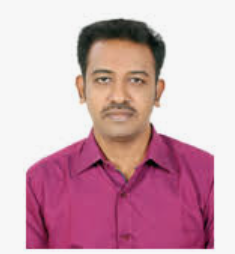
Dr. Anand Kumar M
Associate Professor NIT Karnataka, India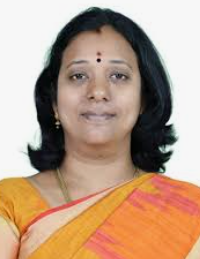
Dr. S. Sasirekha
Associate Professor NITTTR, Ministry of Education, India
Dr. Vijay John
Associate Professor Lawrence Technological University, USA
Dr. T. Shree Sharmila
Department of CSE Anna University Chennai, India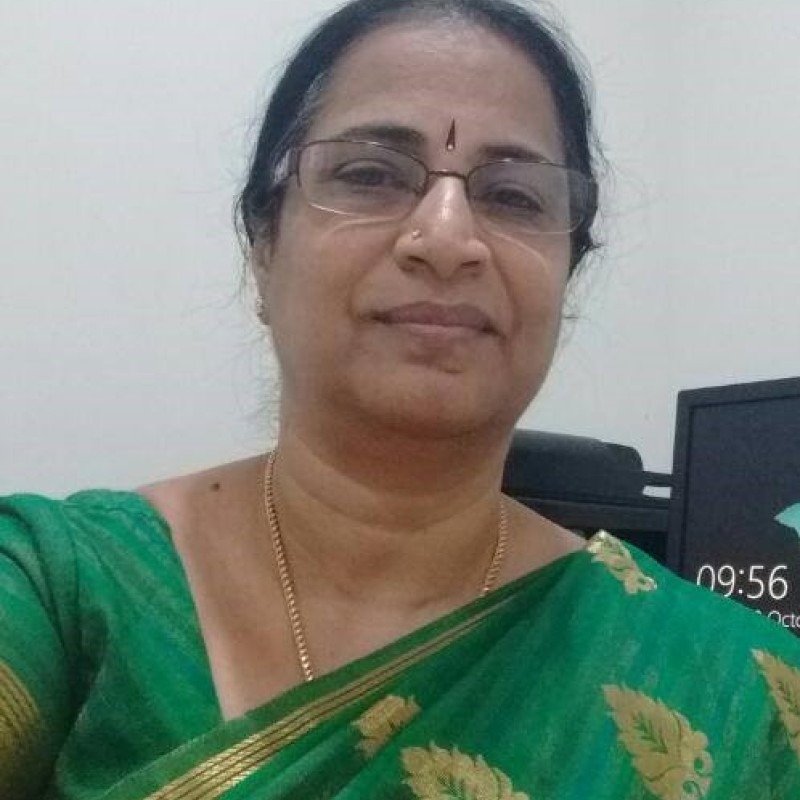
Dr. L. Sujatha
Head, Centre of Excellence in MEMS & Microfluidics (CEMM) and Professor, Rajalakshmi Engineering College
Dr. S. Poonkuzhali
Director, Alumni Affairs, Rajalakshmi Engineering College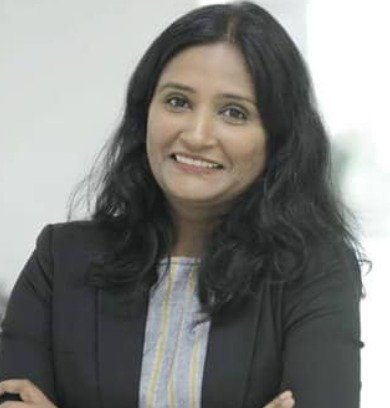
Ms. Soundari Arunachalam
Director R& D, Honeywell IndiaSession Management Committee
Dr. V. Murali Bhaskaran
Professor
Dr. P. Kumar
Professor
Dr. S. Anantha Sivaprakasam
Professor
Dr. N. Srinivasan
Professor
Dr. S. Vinod Kumar
Professor
Dr. R. Sabitha
Professor
Dr. P. Muneehswari
Professor
Dr. C. Parthasarathy
Professor
Dr. K. Anand
Professor
Dr. K. Ananthajothi
Professor
Dr. Chettiyar Vani Vivekanand
Professor
Convenor
Dr. E. M. Malathy
Professor & Head
Rajalakshmi Engineering College
Co-Convenor
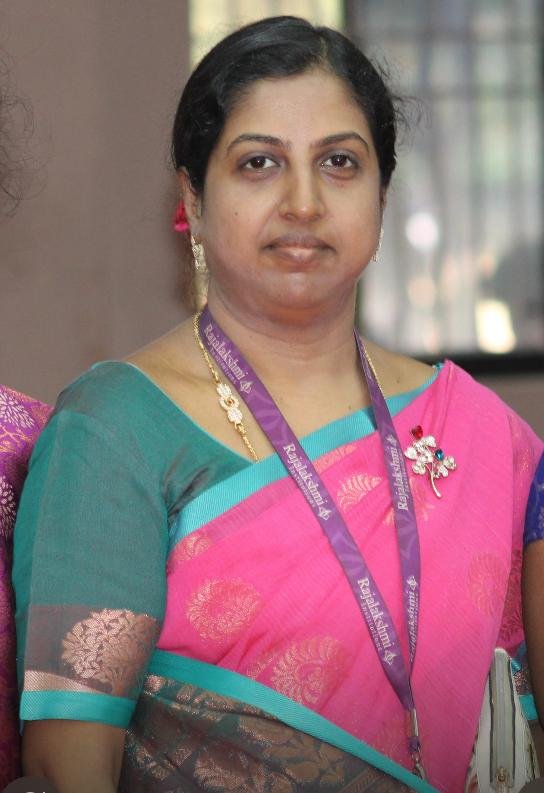
Dr.J. Manoranjini
Professor & Deputy HOD
Rajalakshmi Engineering College



Author Registration
Author category fees with early bird and late registration rates.
STUDENT/SCHOLAR
ACADEMICIAN
INDUSTRY EXPERT
FOREIGN EXPERT
No DA/TA will be provided
Location & Venue
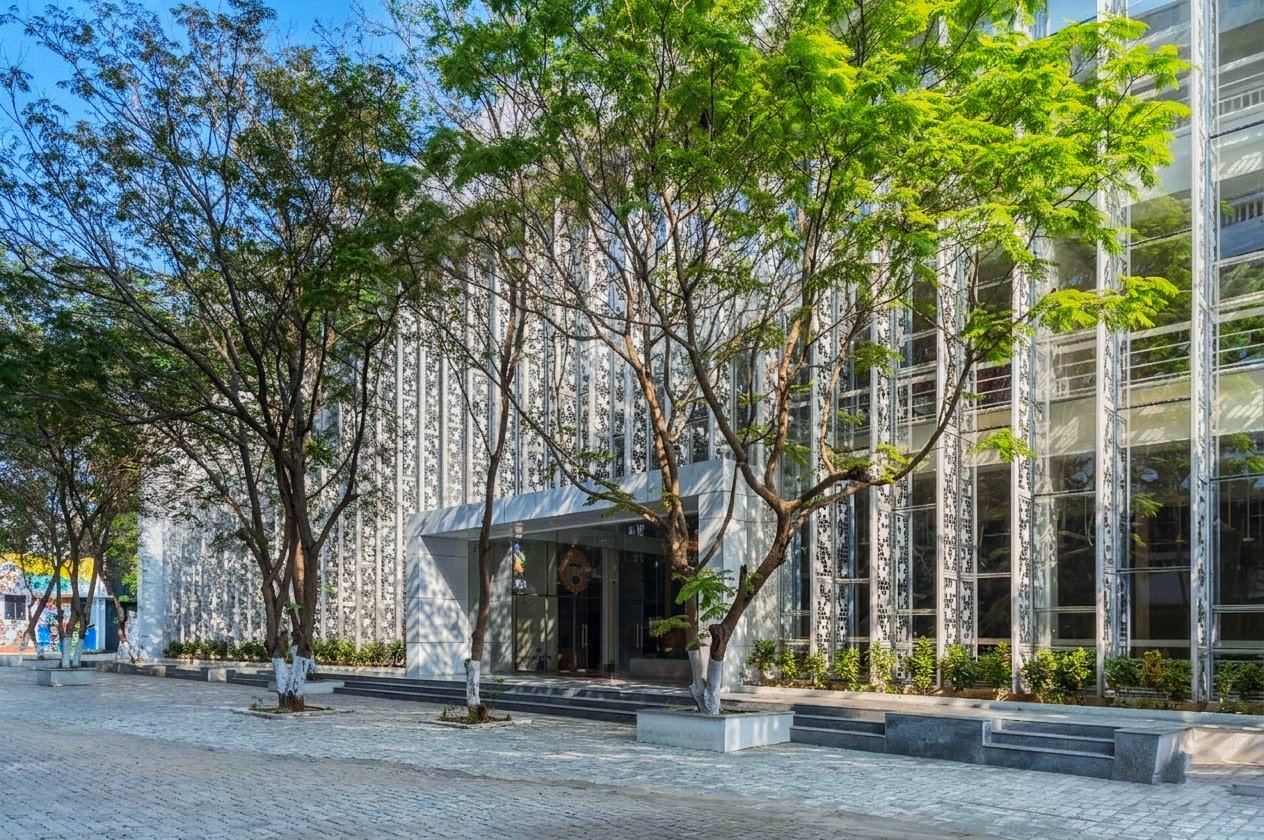
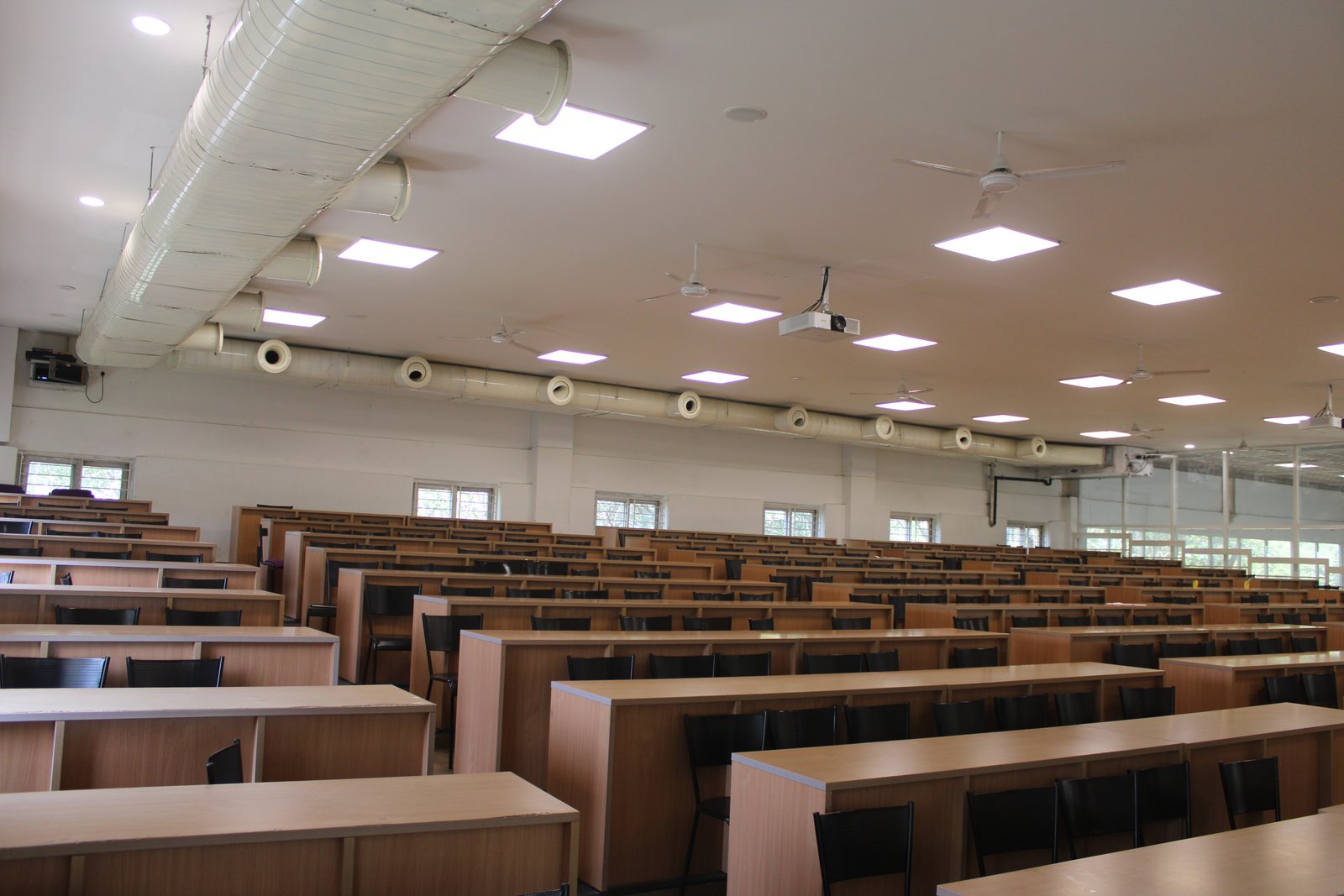
Join us at Rajalakshmi Engineering College, one of India's premier autonomous engineering institutions, located in the scenic campus at Thandalam, Chennai.
Address
Rajalakshmi Engineering College,
Rajalakshmi Nagar, Thandalam,
Chennai –
602105, India
ICCSD26@rajalakshmi.edu.in
Media Partners
We are conducting the International Conference on Computing for Sustainable Development, proudly supported by our esteemed media partners.
Keynote Speakers

Dr. Hasan Davulcu
Professor Arizona State University Arizona
Dr. Sayan Kumar Ray
Professor-Head of School Taylor's University Malaysia
Dr.S. Venkatesan
Professor Indian Institute of Information Technology Allahabad
Takako HASHIMOTO
Vice President Director, International Center Chiba University of Commerce, JAPAN JAPAN
Rajendran Dandapani
Business Solutions Evangelist President-Zoho Schools of Learning Zoho Corp.
Aviral Shrivastava
Professor Arizona State University ArizonaPre Conference Workshop
Frequently Asked Questions
Paper Submission
ICCSD 2026 invites original, unpublished research papers in all areas of Computing and Data Science. All submissions are managed through Microsoft CMT.
Author Guidelines
- Papers must be written in English.
- All submitted papers must be original and not simultaneously submitted to another journal or conference.
- At least one author of each accepted paper must register and present the paper at the conference.
- Plagiarism in any form is strictly prohibited. All submissions will be checked using plagiarism detection tools.
- Papers must comply with Springer LNCS / IFIP AICT formatting guidelines.
- Registration fees are applicable upon acceptance. Details will be communicated with the acceptance notification.
- Authors are expected to respond to reviewer comments and submit camera-ready versions by the stipulated deadline.
- Presenting authors must attend in-person unless explicitly approved for virtual presentation.
Submission Guidelines
- Manuscripts must follow the Springer LNCS / IFIP AICT template format.
- Full papers: 12–15 pages including references and figures.
- Short papers: 6–8 pages including references.
- Abstract length: maximum 250 words.
- Submissions must be in PDF format. Maximum file size: 10 MB.
- Papers must be submitted in double-blind format — remove all author names and affiliations from the manuscript.
- Font: Times New Roman, 10pt. Margins and layout per Springer LNCS template.
- References must follow the Springer citation style.
Where to Submit
All paper submissions must be made through the Microsoft CMT conference management system. Do not submit papers via email or any other platform.
How to Submit
Before submitting your paper, you must create a Microsoft CMT account. Follow these steps:
- Step 1: Create your CMT Account
- Step 2: How to Submit a Paper on CMT
- Log in to the CMT portal, select ICCSD 2026, and follow the on-screen submission instructions.
- Ensure your PDF meets all submission guidelines before uploading.
Important Publications
| Publication Name | Status |
|---|---|
| AKCE International Journal of Graphs and Combinatorics | Approved |
| CMC - Computers, Materials & Continua | Approval Waiting |
| Communications in Combinatorics and Optimization | Approval Waiting |
Important Dates
The Microsoft CMT service was used for managing the peer-reviewing process for this conference. This service was provided for free by Microsoft and they bore all expenses, including costs for Azure cloud services as well as for software development and support.
| Event | Date |
|---|---|
| Paper Submission Opens | 27 February 2026 |
| Full Paper Submission Deadline |
|
| Notification of Acceptance |
|
| Camera Ready Submission | 20 May 2026 |
| Early Bird Registration | 30 May 2026 |
| Final Registration Deadline | 15 June 2026 |
| Conference Dates |
Student Coordinators

Balaji C
CSE Department
Rajalakshmi Engineering College

Sarvesh S
CSE Department
Rajalakshmi Engineering College

Kishoreathava S
CSE Department
Rajalakshmi Engineering College